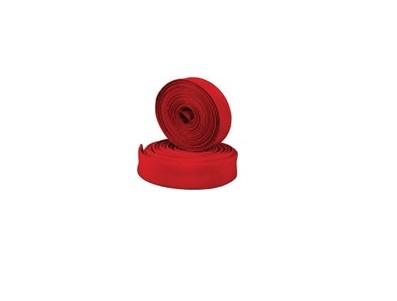
Available in 15-20-25-30-60 mtr rolls.
MED (Marine Equipment Directive) certified fire hoses are specialized firefighting tools specifically designed and tested to withstand harsh maritime environments, including exposure to saltwater, ozone, and extreme weather. These hoses are marked with a unique identification symbol known as the “Wheelmark,” which indicates compliance with European Union safety and performance standards for marine equipment.
Key Specifications of MED Certified Hoses
To meet MED and SOLAS (Safety of Life at Sea) requirements, fire hoses must adhere to specific technical standards:
- Pressure Ratings: Typically designed for a maximum working pressure of 1.5 MPa (15 bar). High-quality models may have testing pressures up to 48 bar and bursting pressures exceeding 50 bar.
- Temperature Resistance: High-quality marine hoses are engineered to be cold-resistant down to -30°C and heat-resistant (short-term) up to 100°C.
- Diameter Requirements: For standard certification under EN 14540, inner diameters must range between 25 mm and 52 mm.
- Material Construction: Often feature a 100% virgin polyester woven jacket with an internal lining made of materials like EPDM, TPU, or PVC.
SOLAS Regulations for Onboard Hose Length
The length of a fire hose is strictly regulated based on its location on a vessel:
- Machinery Spaces: Maximum length of 15 meters.
- Open Decks and Other Spaces: Maximum length of 20 meters.
- Open Decks (Large Ships): For vessels with a maximum breadth exceeding 30 meters, the length can be up to 25 meters.
- Minimum Length: All deck hoses must be at least 10 meters long.
Durable Features for Marine Use
MED certified hoses are built to survive the specific challenges of life at sea:
- Abrasion Resistance: Designed to be pulled across abrasive grid floors and salt incrustations without failing.
- Maintenance-Free: Many modern MED hoses are rot-proof and aging-resistant, allowing them to be stored without the extensive drying required for traditional land-based hoses.
- Kink Resistance: Their lightweight and pliable design prevents obstructions in fluid flow even in tight below-deck passageways.